
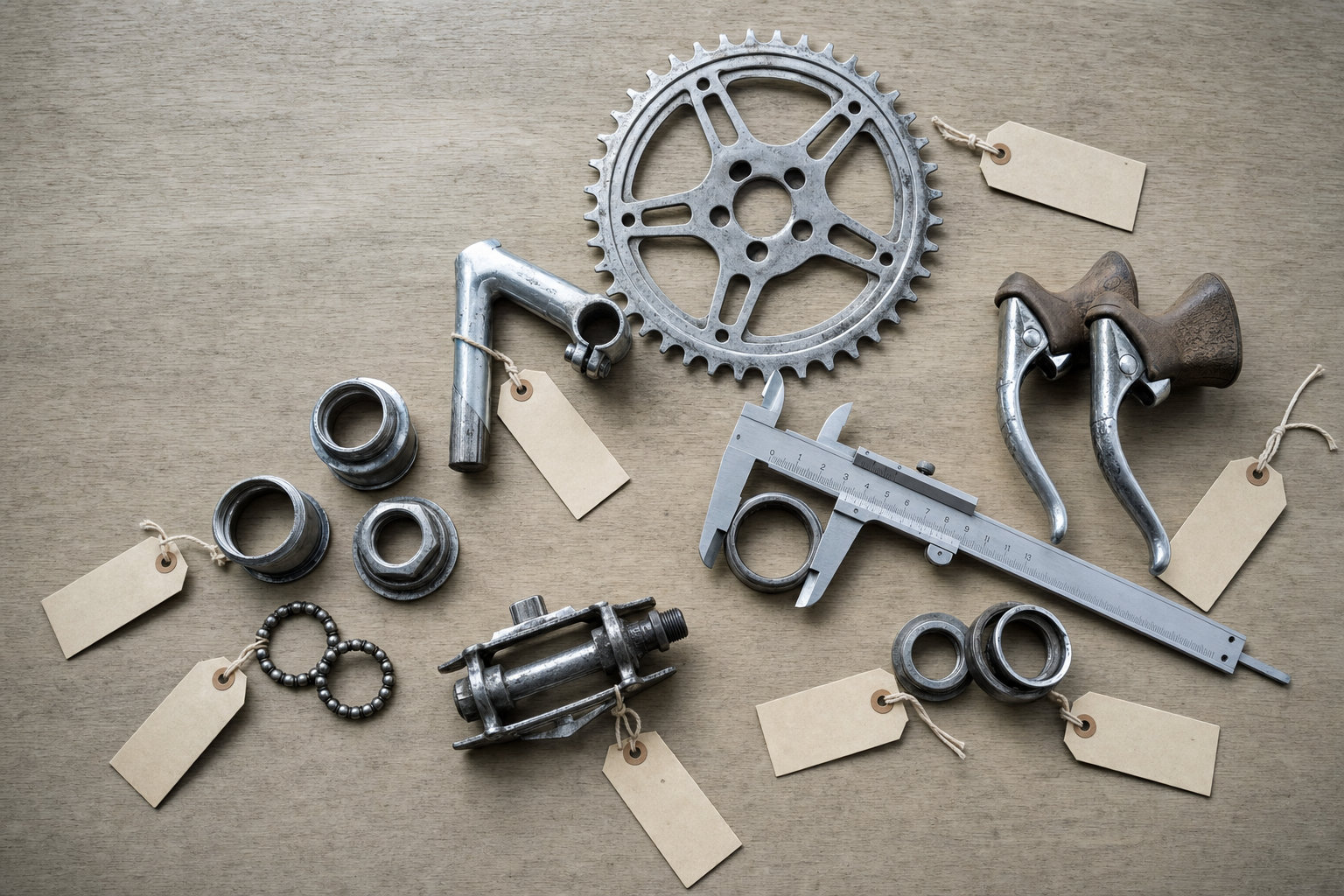
Why part matching needs proper detail
A stock built for older bikes
Rare and vintage parts help keep unusual bicycles working or period correct.
Measurements matter
Markings, diameters and thread details help avoid parts that only almost fit.
Repair or restoration routes
We can help if you need a working substitute or a more faithful component.
Finding the right older part starts with detail
Finding the right part for an older or less common bicycle can take longer than the repair itself. We keep a large specialist stock of old and rare bicycle parts to support both working bikes and restoration projects. The more detail you can share, the better: make, model, approximate year, measurements, markings and clear photographs all help narrow the search. At Lune Valley Cycles, we use that information to avoid near matches that look right but do not actually fit.
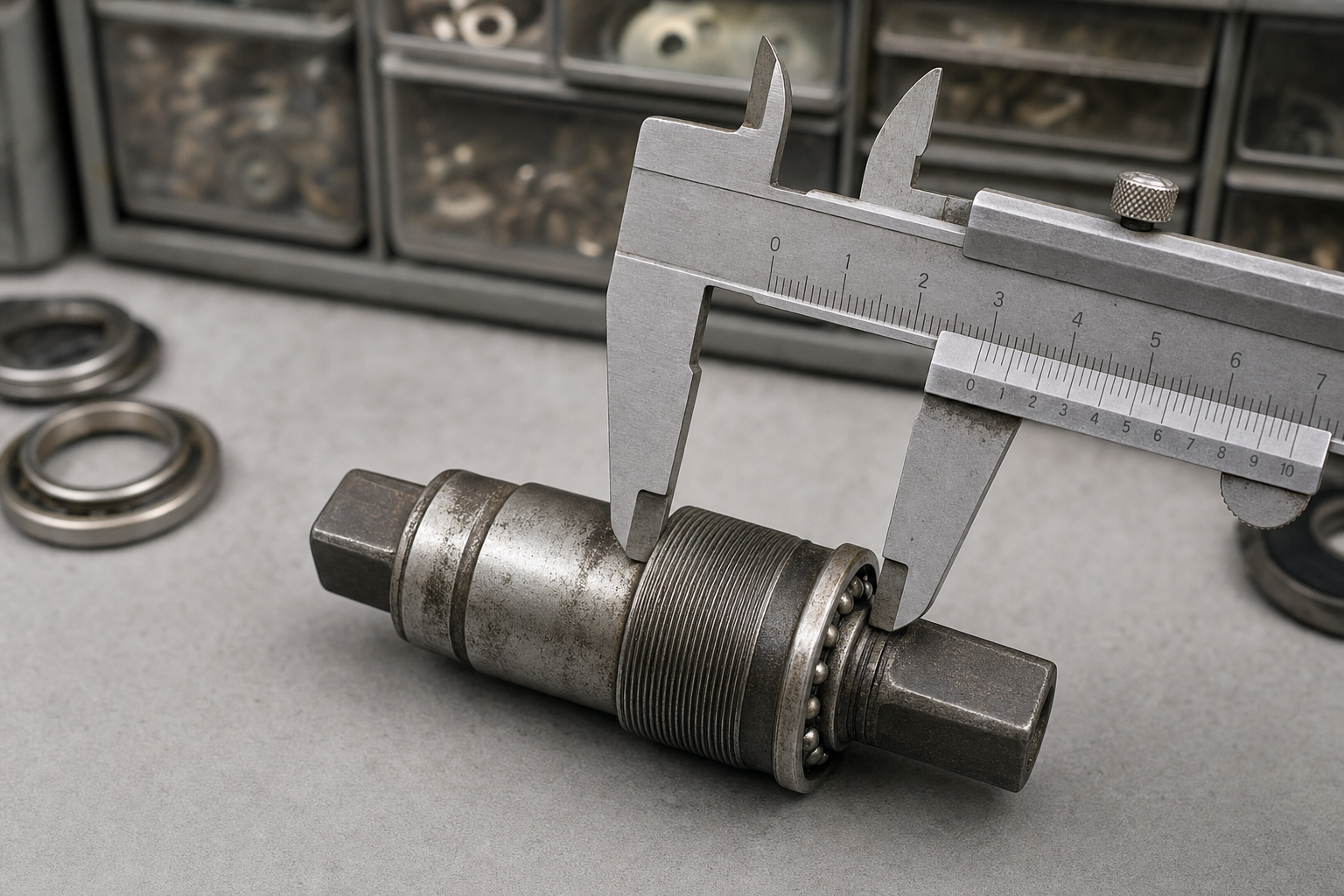
Compatibility matters more than first appearances
Legacy standards can be awkward if you are used to modern bikes. Threading, axle dimensions, diameters and drivetrain compatibility all matter, especially when you are chasing a period-correct result or trying to keep a favourite older bike on the road. With Lune Valley Cycles, you can ask about functional replacements, restoration parts and related accessories without having to guess what might work.
Frequently asked questions
What details help identify an older bicycle part?
Make, model, approximate year, measurements, markings and photographs are the most useful starting points. Older bikes can look similar while using different standards, so those details help avoid expensive near misses.
Can we help with both functional and period-correct parts?
Yes. Some customers simply need something compatible to get an older bike working again, while others want a part that suits a restoration properly. The right answer depends on how the bicycle is meant to be used or preserved.
Why are measurements so important for vintage parts?
Threading, diameters, axle sizes and drivetrain compatibility can vary more than people expect. A component that seems close can still be wrong, so accurate measurements help us narrow things down with much better confidence.